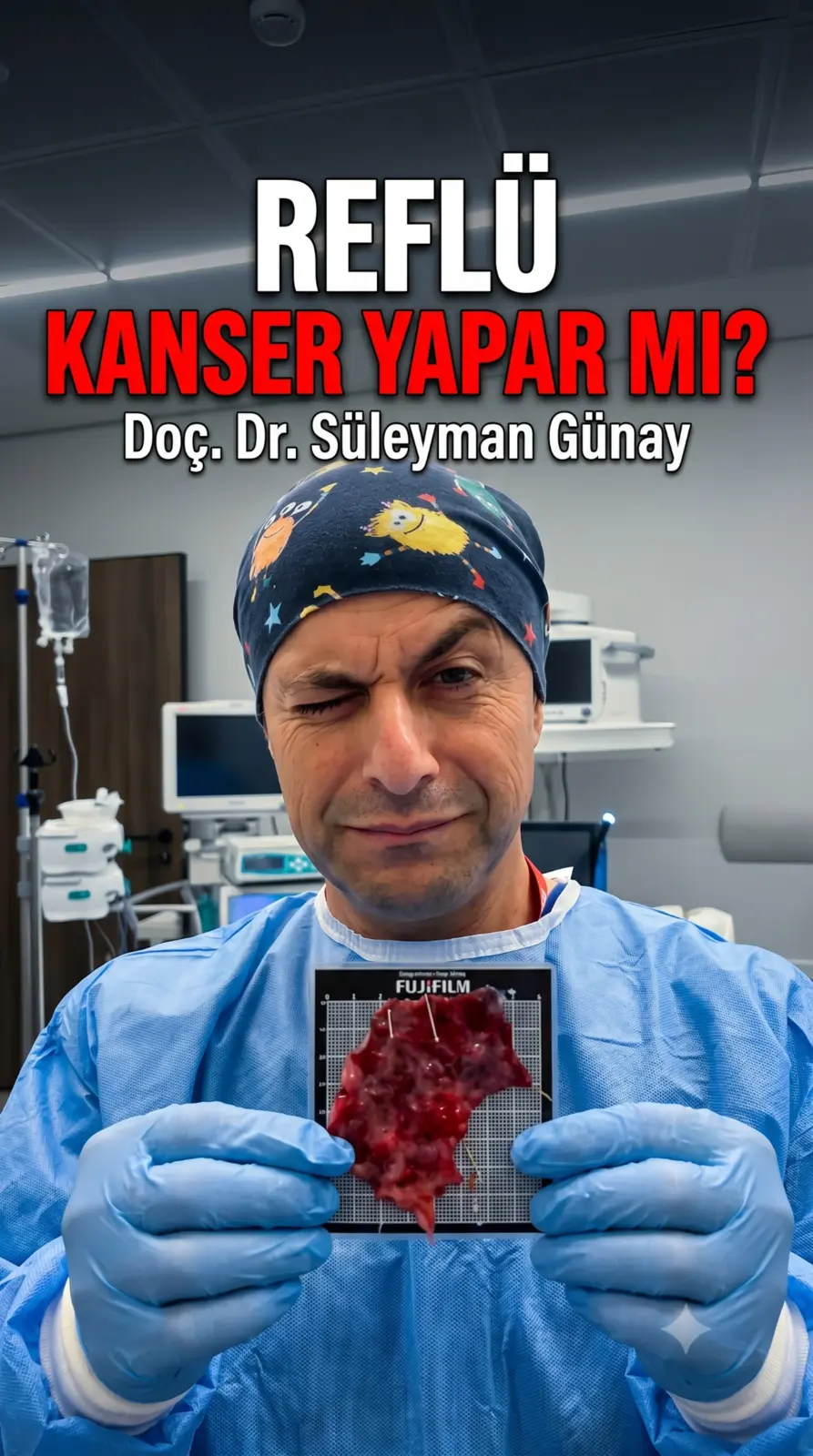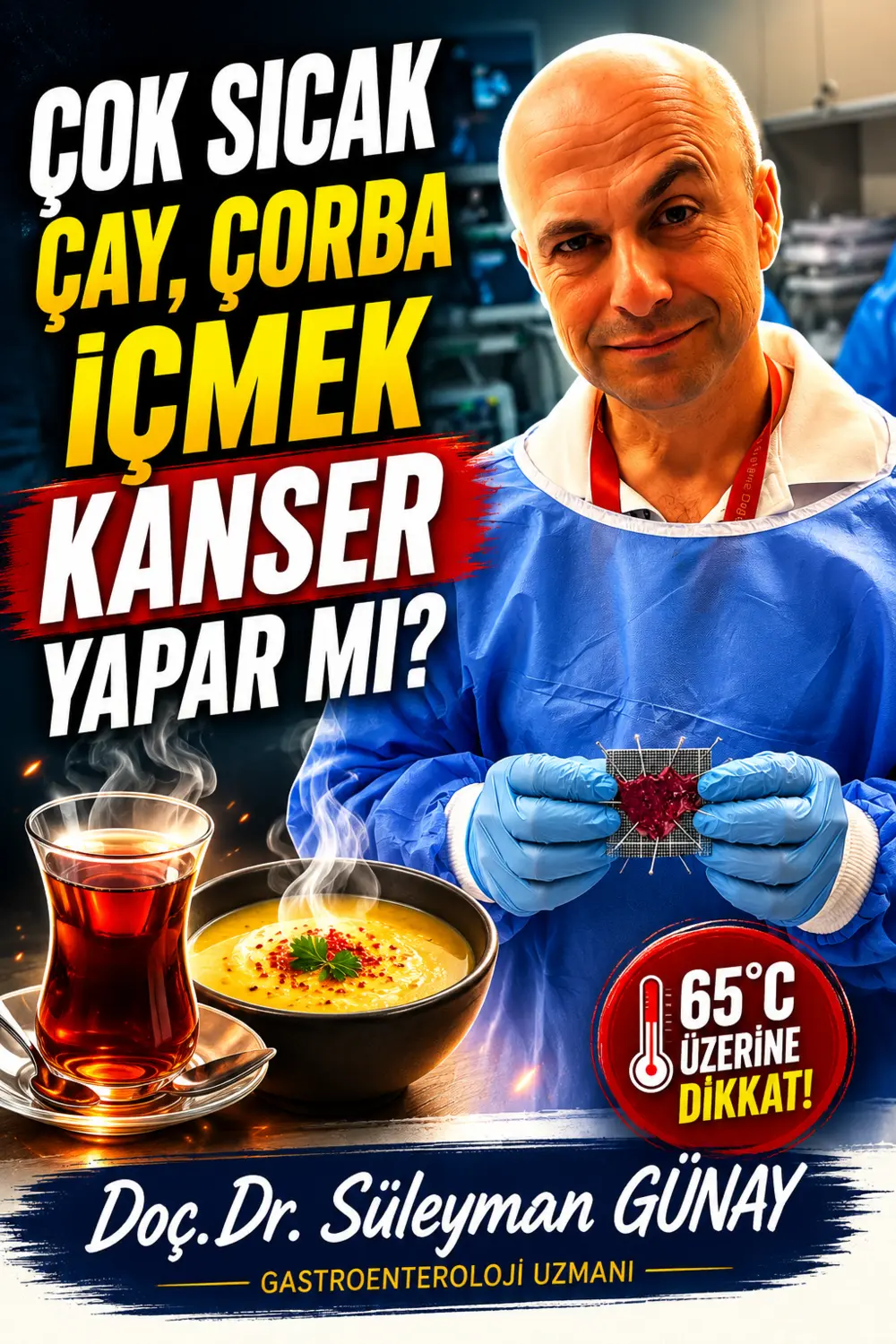


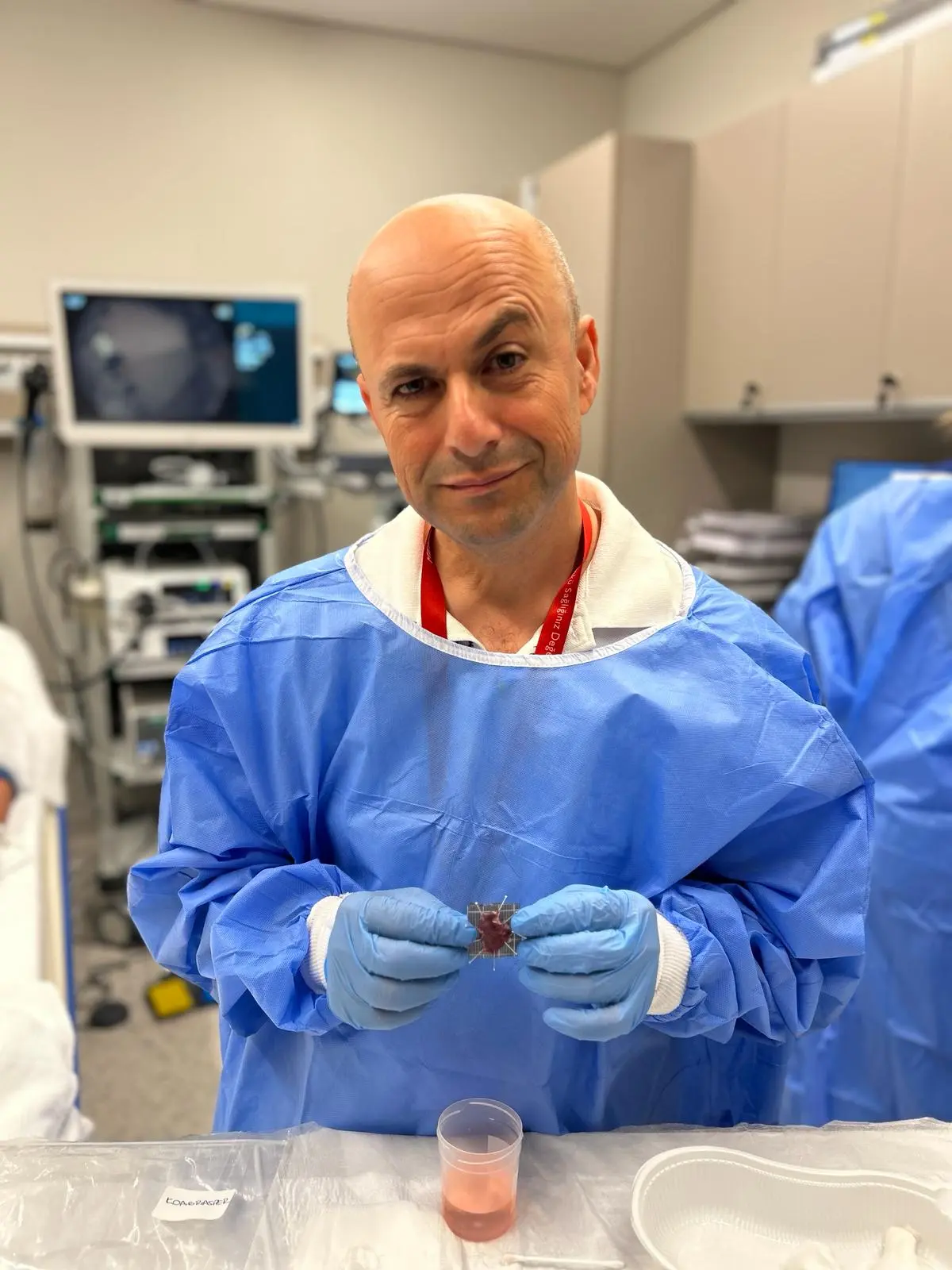
An advanced technique designed to remove selected large or early neoplastic lesions in one piece. Suitability and preparation must be personalised after clinical review.
ESD aims to remove selected superficial gastrointestinal neoplasia or large dysplastic lesions in one piece, supporting organ-preserving treatment and detailed pathological staging. Borders and the likelihood of deep invasion are assessed before treatment. Non-curative histology may still require surgical or oncological therapy.
What is it?
An advanced technique designed to remove selected large or early neoplastic lesions in one piece.
It is planned as an individual clinical pathway based on symptoms, previous tests, anatomy and treatment goals. Suitability cannot be decided from a web page alone. Expected benefits, alternatives, sedation or anaesthesia and follow-up are discussed before consent. The goal is safe recovery and an appropriate long-term plan as well as technical success.
Evidence map for this guide
The organisations and guidelines used for each section are mapped below.
Overview4 sources
Decision4 sources
Indications4 sources
Preparation3 sources
Procedure4 sources
Aftercare3 sources
Alternatives4 sources
Risks4 sources
Follow-up4 sources
Urgent warnings3 sources
FAQ3 sources
How is this procedure selected?
The central ESD question is whether a lesion can be removed endoscopically with curative intent and acceptable risk. High-definition endoscopy, prior histology and selected EUS or cross-sectional imaging assess borders, depth and lymph-node risk. EMR may suit a smaller favourable lesion, while deep invasion or substantial nodal risk favours surgery. Location, fibrosis and circumferential extent affect bleeding, perforation and stricture risk.
The clinical question—not the procedure name—drives the plan. If a simpler and safer method can answer the same question, it should be discussed first.
When is it considered?
This procedure may be considered in the situations below. The list is not a diagnosis or a treatment decision; test findings and individual risks must be interpreted together.
- Symptoms or test findings related to this procedure
- Need for detailed diagnosis, tissue sampling or endoscopic treatment
- A specialist review showing that expected benefit outweighs individual risk
Preparation timeline
This is a general pathway. Your personalised written hospital instructions and medicine plan always take priority.
Share your complete health history
Tell the team about blood thinners, diabetes medicines, allergies, pregnancy, heart or lung disease and previous anaesthesia problems. Never stop prescribed medicine without an individual plan.
Follow your written preparation plan
Fasting, bowel preparation and medicine timing depend on the procedure and your health. The instructions from your treating unit take priority over general web information.
Bring records and arrange support
Bring imaging, reports and an up-to-date medicine list. If sedation is planned, arrange a responsible adult to take you home and do not drive.
Confirm the recovery plan
Ask about diet, medicines, expected symptoms, pathology results, follow-up and the warning signs that require urgent contact.
What happens during the procedure?
The exact steps depend on the indication and findings. Monitoring, comfort and safety continue throughout the procedure; any possible therapeutic step is discussed during consent.
Aftercare and recovery
Recovery, diet, medicines and discharge are individualised. If tissue is obtained, arrange how and when the pathology result will be reviewed with the clinical team.
When can I eat? When do I restart medicines? Can I drive? Who will explain pathology results and when? When is follow-up?
Alternatives and comparison options
The same technique is not appropriate for every patient. These options may be compared according to the clinical question, anatomy, disease extent and general health.
- Endoscopic mucosal resection (EMR) when lesion features permit
- Endoscopic full-thickness resection or another advanced resection technique in selected lesions
- Surgery when deep invasion, lymph-node risk or non-curative pathology is suspected
- Structured endoscopic surveillance for selected findings that do not require immediate treatment
Risks and safety
Every medical intervention carries risk. Probability varies with the scope of treatment, technique and your individual health.
- Bleeding, infection or a reaction to sedation
- A tear or perforation, with risk varying by the intervention
- Procedure-specific complications discussed during consent
- Need for observation, repeat endoscopy, radiology or surgery in uncommon cases
Results and long-term follow-up
Follow-up is based on histology, depth of invasion, horizontal and vertical margins, lymphovascular involvement and whether the specimen was removed intact. Non-curative features prompt surgical or oncology review; curative resection leads to an organ- and pathology-specific surveillance plan.
Questions you may want to ask your doctor
- What exact clinical question is this procedure expected to answer?
- Is the aim diagnosis, treatment, tissue sampling or more than one of these?
- What are the reasonable alternatives in my case?
- How should I manage blood thinners, diabetes medicines and fasting?
- What findings could change the plan during the procedure?
- When and how will I receive pathology or final results?
When should I seek urgent help?
If any of the following occurs, do not wait for a routine web response; seek urgent medical care where you are.
- Severe or worsening chest or abdominal pain
- Fever, chills or marked weakness
- Vomiting blood, black stool or heavy rectal bleeding
- Breathing difficulty, fainting or confusion
- Persistent vomiting, inability to drink or increasing abdominal swelling
Frequently asked questions
Will it hurt?+
Comfort is planned according to the procedure and your health, often with sedation or anaesthesia support. Expected symptoms and pain relief are explained before discharge.
Can I go home the same day?+
Many procedures are day cases, but the extent of treatment, other illnesses or observation needs can require an overnight stay.
Should I stop my medicines?+
Never stop prescribed medicines on your own. Blood thinners and diabetes medicines require an individual written plan.
When will I receive results?+
Visual findings may be discussed immediately. Biopsy or resection results take longer and should be interpreted with the treating clinician.
Author: Doç. Dr. Süleyman Günay
Medical review status: Awaiting physician verification
Last medical review: 2026-09-13
Read our medical content and evidence policy →
Scientific References
Official guidelines, scientific articles and patient information sources used for this page. Source links open in a new tab.